Decoding the Peloton:
Understanding Cyclist Roles in a Race or Group Ride
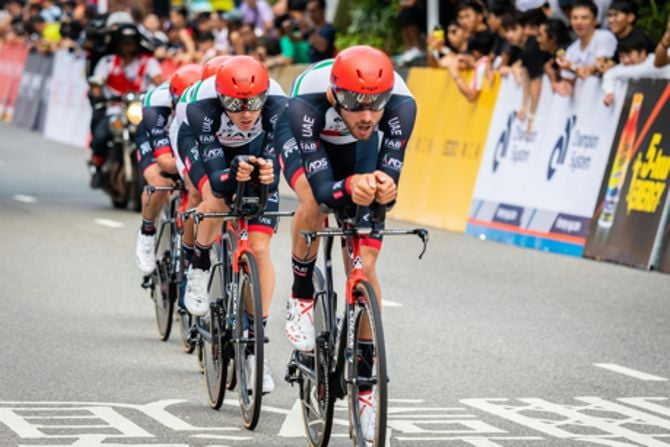
Perhaps the most often used word by a cycling commentator, peloton is the French word for a small ball. But for the majority who watch the sport, it refers to that big cohort of riders, with one eventually ready to break away and go for the big prize.
The peloton is more than a group bunched together during a race. It works like a school of fish or a flock of birds. They move as one, but the group relies on the individual to make it work.
What a Peloton Is (and Why It’s Important)
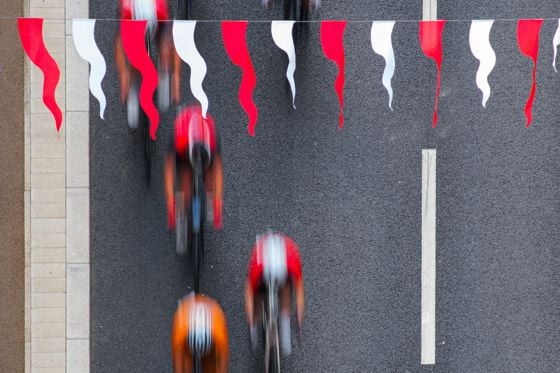
In pure basic terms, it’s the main group in a road race, and they typically stay together for much of the race, although the peloton often breaks apart due to terrain or tactics. When you look at it from a distance, you start seeing why the small ball description works.
The peloton isn’t just for camaraderie; there’s so much more to it. The main reason is science. Or to be more specific, aerodynamics. When you ride in a tight pack, wind resistance is no longer the problem it was, and it can translate to up to a 40% reduction in energy (depending on speed and positioning).
When a cyclist is competing on a professional level, every detail matters. If you’re the most talented rider, but you don’t take advantage of the peloton, you’ll lose.
The same applies to equipment, like your bike or jersey. Choose a bike that’s just a few ounces heavier, and a rider will pay for it at the end of the race, especially on climbs.
And the right jersey isn’t about looking good, but about maximizing performance. Choosing the right cycling jersey can make all the difference.
In a Peloton, Roles Matter
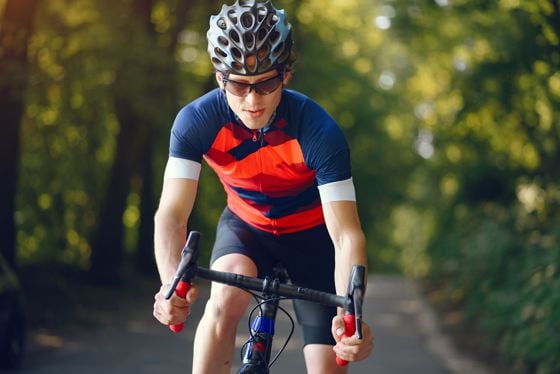
When you watch a cycling race, and you see the peloton, you would be forgiven for thinking it’s entirely random, just a mass of riders pedalling for position.
But a peloton relies on every individual, with clear roles assigned to each, changing throughout the race. Roles keep order in what is high-speed movement, especially at the highest levels. It limits sudden speed spikes, keeping riders safe.
Sticking to your role ensures that you will not burn through your energy stores, as work is shared. It helps teams to stay reactive, choosing the best option when there is a breakaway or a hazard.
For professional cyclists, the peloton is a key component to winning the race. And for amateur riders, roles ensure safety during a long ride.
Professional Cycling Roles
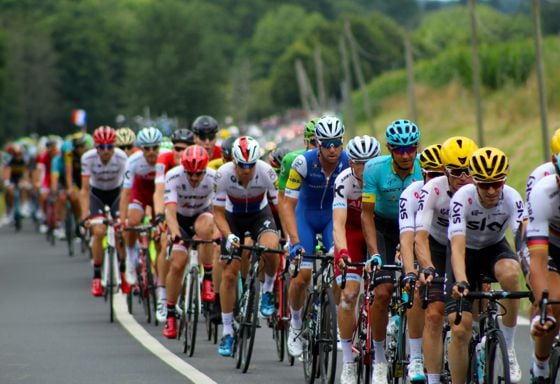
Roles differ based on the type of race. On the professional circuit, the peloton fits together perfectly, with roles fine-tuned depending on a variety of factors.
Road Captain. As the name suggests, the captain is the on-road decision maker. They adjust plans when something happens, like a sudden change in weather or a crash.
The road captain is tasked with keeping the team calm during those messier stages. They tend to rely on experience, rather than just their talent or raw power.
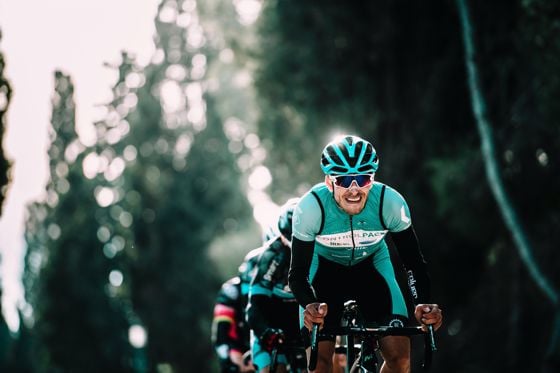
Sprinter. Pure power for the final 200 meters, that’s what you want from your sprinter. This is where a rider wants a cycling jersey designed for aerodynamics and speed.
GC Leader. This rider is important for the overall race time. It’s key that they can both climb and time-trial well. The rest of the team protects the GC Leader, shielding them from the wind.
Climber. The climber is a light rider, specifically built for those challenging long ascents. They pace the leader going uphill, but are dropped on the flat sprint stages. During mountain summit finishes, the climber will shine in their role.
Domestique. This is the worker of the group, fetching bottles, chasing those who break away, and sometimes even giving their bike to the leader. They are the essential worker, invisible but necessary.
Time Trial Specialist. High sustained power, that’s the name of the game. Helps control the pace, too. For this rider, aero-optimized jersey gear is even more important.
Puncheur. The explosive one for those short, steep climbs. Perfect for classic races in the Ardennes. They’re usually far too punchy for longer climbs, and too light for what’s necessary on the sprint.
Amateur Equivalents
On the amateur circuit, roles are similar, but there are some key differences. The focus is much more on safety, rather than efficiency.
Rider Leader. Similar to a captain, they set the route and the peloton’s rules. They control the pace from the start, and help new riders when they join the fold. One of the main responsibilities is keeping the group together, especially after hills, for example.
Pace Setter. Tasked with holding a steady speed on flats and avoiding sudden surges that can dangerously break groups apart. The pace setter is usually the strongest rider in the group, and they also have a good instinct for timing.
Rotating Pull Riders. Cyclists take turns at the front of the peloton. This means that everyone gets a turn at the back, where they can ‘rest’ a little and get their energy back for when they are once again needed in the front.
Sweeper. The sweeper stays at the back of the pack, checking for anyone who has dropped from the peloton. They are also key for safety, calling out any hazards that the front pack can’t see.
Support Rider. This one is a helper, fixing flats, lending tools, and assisting riders who are struggling. On a climb, they help control the pace to keep the group tight.
Peloton to Enjoy the Road
When the average person thinks of a peloton, their minds hark back to a big race they’ve watched on television, an event like the Tour de France. And while the peloton is certainly used to win in professional racing, in amateur settings, its core role is often one of safety and enjoyment.
The peloton is a team thing, with riders having to work together to make it effective. But when things click, it’s like magic. The ride will feel faster, yet calmer. You’ll feel that rhythm, stripping away the chaos of the road.
If you join a peloton, however, know your role. Stick to it, as you will all be relying on each other. Now you know what a peloton is, it’s time to tell others that it doesn’t just mean small ball.
Image credits Title image: Pexels / Bono Tsang; Image 2: FREEP!K / Prostooleh; Image 3: Unsplash / Rob Wingate; Image 4: Unsplash / Angel Santos; Image 5: FREEP!K / Freepik; Image 6: Unsplash / Marc Cordeau